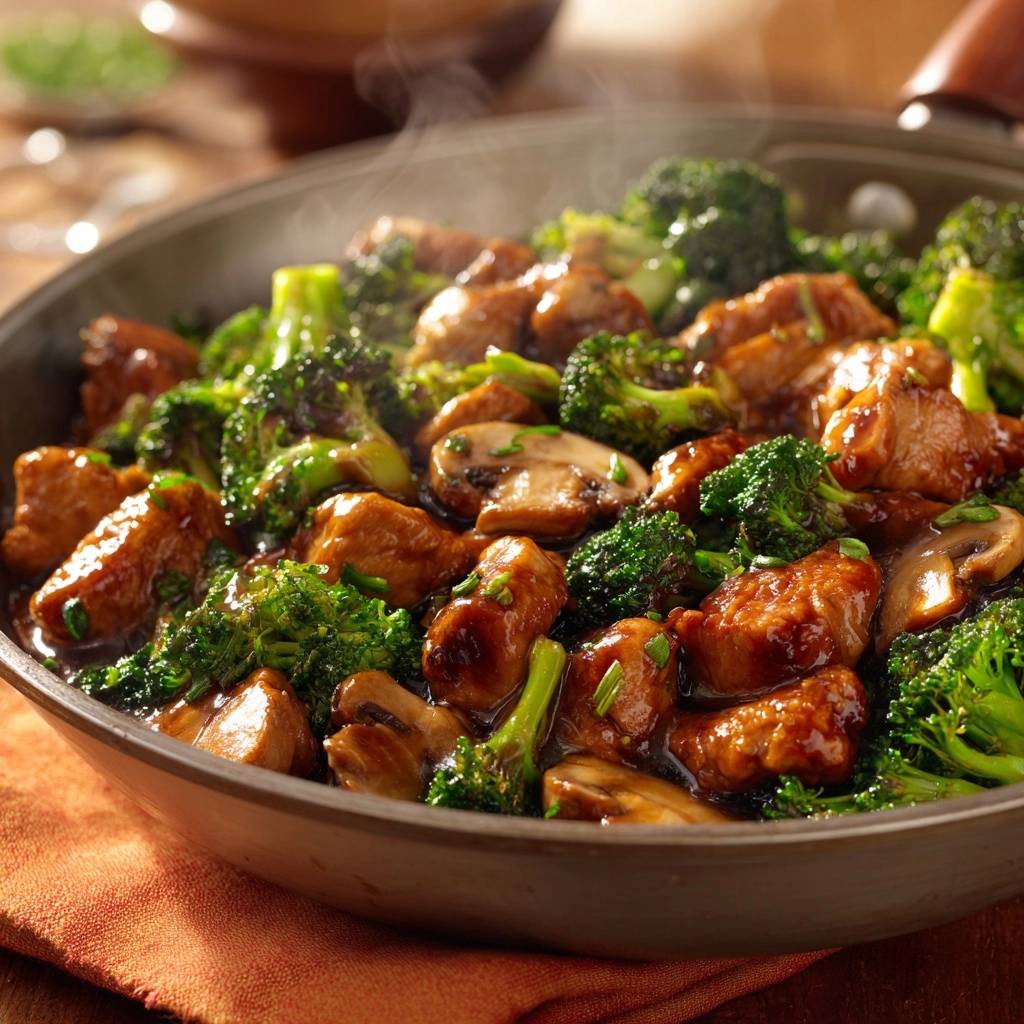
The quest for the perfect homemade beef and broccoli stir fry often boils down to one critical factor: texture. We’ve all experienced it – chewy beef that makes your jaw ache, or mushy broccoli that feels more like a soggy side dish than a vibrant component. But what if we told you that achieving that ideal harmony of tender beef and crisp, bright green broccoli is not only possible but surprisingly simple with a few expert techniques? Forget sad, bland imitations; this article will guide you through mastering the art of the stir fry, ensuring every bite is a testament to culinary perfection.
There's a magic to a well-executed stir fry, a dance of high heat and quick movements that brings fresh ingredients to life. It’s a weeknight hero, promising a meal faster and fresher than takeout, and the satisfaction of knowing exactly what goes into it. Let's unlock the secrets to a truly unforgettable beef and broccoli stir fry that delivers on its promise of exquisite texture.
The Foundation of Flavor: Perfecting Your Beef
The beef is undeniably the star of this classic dish, and its texture can make or break the entire experience. Forget the days of endless chewing; with the right preparation, your beef can be melt-in-your-mouth tender.
Choosing the Right Cut & The Art of Slicing
For a quick stir fry, specific cuts of beef perform best under high heat. While the reference context highlights flank steak, it's worth understanding why. Flank steak, along with skirt steak and sirloin, are excellent choices because they are relatively lean and can become incredibly tender when sliced correctly. Ribeye can also be used for a richer flavor, but its higher fat content might require different searing techniques to prevent excess oil.
The real secret, regardless of the cut, lies in your knife work: slice it thin, and always against the grain.
- Thin Slices: Aim for slices no thicker than ¼ inch. Thinner slices cook quickly and absorb marinades more effectively, preventing them from becoming tough.
- Against the Grain: This is a non-negotiable step. Beef muscles are made of long fibers. Cutting across these fibers shortens them, making the meat easier to chew and much more tender. To identify the grain, look for the parallel lines of muscle fibers running through the meat. Place your knife perpendicular to these lines before slicing.
- Pro Tip: For easier, more precise thin slicing, try partially freezing your steak for 20-30 minutes before cutting. This firms up the meat, making it less slippery and easier to handle.
Velveting: Your Secret Weapon for Unmatched Tenderness
While not mentioned in the reference, velveting is a professional technique commonly used in Chinese cooking to achieve incredibly tender, silky beef. It’s a game-changer for stir fries.
- Method: After slicing, toss your beef with a small amount of baking soda (about ½ teaspoon per pound of beef) and let it sit for 15-20 minutes. Rinse thoroughly under cold water, pat dry, then proceed with your marinade (soy sauce, cornstarch, a little oil). The baking soda tenderizes the meat by altering its pH, while the cornstarch creates a protective coating that keeps it moist during cooking.
Achieving the Ultimate Sear
Once prepped, the next step is a rapid sear. High heat is paramount. Heat your oil until it shimmers, signaling it's hot enough. Cook the beef in a single layer without overcrowding the pan. Overcrowding drops the pan's temperature, steaming the meat instead of searing it, leading to a gray, tough result. Cook in batches if necessary, allowing each piece to develop a beautiful brown crust, locking in juices and flavor. This initial browning contributes significantly to the beef's final texture and taste.
Crisp & Vibrant: Mastering Your Broccoli (and other Veggies!)
The perfect counterpoint to tender beef is crisp, bright green broccoli. Soggy, dull green florets are a stir-fry sin, but easily avoided with the right approach.
Prepping for Perfection
Start with fresh, firm broccoli. Cut the florets into bite-sized pieces, ensuring they are relatively uniform in size for even cooking. For an even brighter color and a head start on tenderness, you can briefly blanch or steam the broccoli for 2-3 minutes before stir-frying. This method ensures internal tenderness while still allowing for a crisp exterior when it hits the hot pan.
The Sizzle & Set-Aside Method
The reference context brilliantly highlights the key to crisp broccoli: cook it separately and then set it aside. This strategy is crucial:
- Initial Sizzle: Heat your wok or large skillet with oil until it's very hot. Add the broccoli and stir-fry for just a few minutes, aiming for a vibrant green color and tender-crisp texture. You want it cooked enough to be enjoyable but still retain a slight bite.
- Quick Aroma Boost: As the broccoli nears perfection, toss in your aromatics – minced fresh ginger and garlic. These fragrant ingredients awaken the senses, but they burn quickly. Adding them towards the end of the broccoli's initial cook time ensures they infuse the oil without turning bitter. The aroma filling your kitchen is truly magical, signaling dinner is well on its way.
- The Set-Aside: Promptly remove the cooked broccoli and aromatics from the pan and set them aside. This prevents them from overcooking and becoming mushy while you prepare the beef and sauce.
Beyond Broccoli: Other Stir-Fry Friendly Vegetables
While broccoli is classic, don't limit yourself! This "sizzle and set-aside" technique works wonderfully for other quick-cooking vegetables like snap peas, sliced bell peppers, baby corn, or water chestnuts. For harder vegetables like carrots, slice them very thinly or par-cook them briefly before adding to the stir-fry to ensure even tenderness. Variety not only adds nutrition but also enhances visual appeal and flavor complexity.
The Unifying Element: Crafting the Perfect Stir Fry Sauce
The sauce is the soul of any stir fry, marrying all the individual components into a cohesive, flavorful dish. It should coat every piece of food with a glossy, savory-sweet finish, not pool sadly at the bottom of the plate.
The Star Ingredient: Oyster Sauce
As the reference notes, oyster sauce is often the cornerstone of a classic beef and broccoli stir fry sauce. Its unique umami depth, combining salty, sweet, and rich notes, is irreplaceable. For those unfamiliar, it's made from oyster juices, not whole oysters, giving it a distinct flavor profile without an overt seafood taste. If you're vegetarian or have an oyster allergy, good quality mushroom-based "vegetarian oyster sauce" alternatives are readily available and work beautifully.
Building Depth: Broth, Soy Sauce, Sesame Oil, Sweeteners, Acidity
Beyond oyster sauce, a balanced stir fry sauce typically includes:
- Broth: Chicken or vegetable broth adds liquid and rounds out the flavors.
- Soy Sauce: For essential saltiness and umami. Use low-sodium to control salt levels.
- Sesame Oil: Added at the end for its intense, nutty aroma. A little goes a long way.
- Sugar: A touch of sugar (white, brown, or honey) balances the salty and umami notes, enhancing the overall flavor.
- Rice Vinegar: While not in the reference, a dash of rice vinegar can add a bright, subtle acidity that cuts through the richness and lifts the other flavors.
Whisk all these liquid ingredients together in a bowl until fully combined. This step, preparing the sauce in advance, is crucial for the speed and efficiency of stir-frying.
The Thickening Secret: Cornstarch Slurry
The glossy, clingy texture of a good stir fry sauce comes from a cornstarch slurry. Cornstarch mixed with an equal part of cold water creates a milky solution. When this is added to a hot liquid, the cornstarch granules swell and thicken the sauce. The key is to mix it with cold water first to prevent lumps; adding dry cornstarch directly to hot liquid will result in a clumpy, unappealing sauce.
The right consistency is vital: enough to coat the ingredients without becoming gelatinous. Start with the suggested amount and add more slurry gradually if you prefer a thicker sauce.
Bringing It All Together: The Art of Assembly
The final act of a stir fry is where all your perfectly prepared components unite, a quick symphony of heat and flavor.
The Sequential Cooking Advantage
Our method of cooking things separately – first the broccoli, then the beef – and setting them aside, is the cornerstone of textural success. It allows each ingredient to be cooked to its ideal state without compromising the others. Once your beef is beautifully seared and the pan is clean (a quick wipe with a paper towel is sufficient), it’s time to reintroduce the cooked components.
- Recombine: Add the seared beef back to the hot pan. Immediately follow with the reserved, tender-crisp broccoli and aromatics. Give it a gentle toss to warm everything through for a minute or two.
- The Sauce Introduction: Give your prepared sauce a quick whisk to ensure the cornstarch hasn't settled. Pour it evenly over the beef and broccoli in the pan. Stir gently to coat all the ingredients.
- Thicken and Shine: Immediately pour the cornstarch slurry into the bubbling sauce, stirring continuously. Within a minute, you'll witness the transformation: the sauce will thicken, becoming wonderfully glossy and clinging perfectly to every piece of beef and broccoli. This is the moment your stir fry truly comes alive.
Serving Suggestions & Garnishes
Serve your masterful beef and broccoli stir fry immediately over steaming hot rice. The rice acts as a delicious sponge for any extra sauce, making every spoonful incredibly flavorful. Garnish with a sprinkle of toasted sesame seeds or thinly sliced green onions for an extra pop of color and freshness. The visual appeal is almost as satisfying as the taste.
Common Pitfalls to Avoid
To ensure your success, keep these common mistakes in mind:
- Overcrowding the Pan: Leads to steaming instead of searing, resulting in tough meat and soggy vegetables. Cook in batches.
- Insufficient Heat: A stir fry needs high heat to cook quickly and develop flavor. Don't be afraid to turn up the burner.
- Overcooking Vegetables: The goal is tender-crisp, not mush. Remove them from the pan as soon as they reach this stage.
- Watery Sauce: Not enough cornstarch, or not whisking the slurry well before adding, can result in a thin, unappetizing sauce.
Beyond the Wok: The Joy of Homemade Stir Fry
While the origin of beef and broccoli stir fry has fascinating nuances – beef not being the most common meat in traditional Chinese cuisine, and gai lan (Chinese broccoli) being preferred over Western broccoli – its global popularity is undeniable. It's a testament to how dishes evolve and adapt to local tastes, creating something universally loved. This reinterpretation highlights its versatility and broad appeal.
Beyond the delicious taste, there’s immense satisfaction in preparing a dish like this at home. You control the quality of ingredients, the amount of oil, and the sodium levels, making it a healthier alternative to many takeout options. It’s faster than waiting for delivery and gives you a tangible connection to the food you eat. Cooking is more than just feeding your stomach; it’s an act of care, a valuable skill, and a way to nourish your soul. This minute beef & broccoli recipe truly encapsulates the spirit of efficient, delicious home cooking.
Mastering the texture of your beef and broccoli stir fry is a culinary superpower. By focusing on smart ingredient choices, precise slicing, separate cooking for optimal crispness, and a perfectly balanced, glossy sauce, you elevate a simple weeknight meal into a restaurant-quality experience. No more chewy beef or mushy broccoli; just tender meat, vibrant crisp vegetables, and a luscious sauce that ties it all together. Embrace these techniques, and get ready to impress yourself and your loved ones with a stir fry that is truly a textural triumph.
